How The Anxious Generation is Influencing Your Daughter…and What You as Her Dad Can Do About It [Part 1]
Michelle Watson
I just reviewed a new book and it’s so powerful that I have to tell you about it!
Read MoreFor more information about any resources I have to offer, please contact me here! I'd love to hear from you!
Portland, OR
USA
It’s my joy and honor to equip dads with practical tools to better dial into their daughters’ hearts.
With 25 years of experience as a licensed professional counselor and over 35 years working directly with teens and young adult women. Dr. Michelle Watson brings practical wisdom to dads with daughters of all ages.
Filtering by Category: Teenage Daughters
I just reviewed a new book and it’s so powerful that I have to tell you about it!
Read MoreFact #1: We all react and we all overreact. It’s part of being human.
Fact #2: We all have nervous systems that respond in specifics ways to incoming stimuli. And when we feel threatened or unsafe, our emotional center (limbic system) alerts us and floods our rational, reasonable center (prefrontal cortex), and that’s things go off the rails.
And that’s when our automatic responses kick in and we respond in one of four ways:
Fight (“I’ll take you on and I’ll take you down”)
Flight (“I’m out of here”)
Freeze (“I can’t move and all I feel is helpless and stuck”)
Fawn (“I’ll submit and do what you want just to keep the peace”)
Robyn Gobbel is a respected play therapist and personal colleague who has written a phenomenal book titled, “Raising Kids with Big, Baffling Behaviors: Brain-Body-Sensory Strategies That Really Work.” (She also hosts a podcast I highly recommend, The Baffling Behaviors Show. Check it out and let me know what you learn!). She is uniquely gifted in educating us on powerful ways to understand and regulate our nervous systems, especially highlighting ways to accelerate healing.
I love these her words of insight:
“I know your child has some challenging behaviors that don’t seem to make any sense. Their behavior doesn’t match your experience of reality. But I promise you that it matches theirs. That’s simply how the mind works: We create, and then respond to, our own reality…
As I came to fully grasp this idea, I became less judgmental of others and better at setting boundaries for myself. Now, if the grocery store clerk isn’t friendly, I assume their nervous system isn’t feeling safe. I don’t’ have to take it personally. If I feel up to it, I can respond with authentic kindness----one small gesture toward cultivating more felt safety in the world.
You know what our kids need to be invited into safety? They need for us to be in connection mode.” (pg. 43-44).
I know it’s super hard to be in “connection mode” and want to get close to your daughter when she’s prickly, harsh, mean and reactive. And a new word to add to your vocabulary (since I just added it to mine for this blog!) is in my title: tetchy, which means cranky, easily annoyed, difficult to handle, irritable.
Dad, it’s your job to initiate connection because it’s exactly what she needs, even if she doesn’t know it. This is where you have to tap into your wisdom, maturity, and supernatural power that God alone gives in order to be her co-regulator. This is how she’ll know you’re in it with her.
As you grow in being the best dad you can be to your daughter with a goal of staying in connection mode where she knows she’s seen, soothed, secure and safe, here are 15 ways to be supportive when she’s triggered and tapped out (which is another way of saying she’s maxed!)
Be aware.
This one is first because this is where you have to start. Notice what’s happening in you (anger, frustration, sadness, etc.) rather than focusing on what’s happening in your daughter. Get your feet on the ground before approaching her even when she pushes your buttons. Remember that if you react at an 8, 9 or 10 level on a scale of 0 to 10, it’s your own stuff that’s being activated. Settle yourself first or you’ll say or do things you regret.
Be curious.
If you approach her with a desire to understand and listen rather than lecture, you give her the gift of co-regulation. This simply means that when you’re curious, not critical, she will settle down (in time, gradually) because she’ll sense your loving presence. As you use the two words, “I’m wondering” when talking with her, she’ll feel your support.
Be understanding.
Commit to learning to pace with your daughter as you sit with her in her intensity. Learn what is triggering for her rather than trying to dismiss what’s going on with her just because it doesn’t make sense or seem like a big deal to you.
Be teachable.
I often talk to dads who say they have limited emotional capacity, and their daughters canb make life difficult because they require softer skills in them. I encourage you to allow your daughter to teach you to expand your ability to sit with emotions and let her know you want to be a student who is willing to learn and grow.
Be kind.
Try to avoid causing additional pain through criticism or anger. And as you listen, be mindful that as you ask questions, she may choose not to open up to you if she feels unsupported.
Be patient.
If your goal is to be there for your daughter and she’s not ready to talk or needs time to settle down and regroup, give her space without making things worse and reacting to her reaction. Don’t take it personally if she declines your offer of support, and then come back later (or text or write her a note) to let her know you love her.
Be affirming.
Your positive, warm presence will benefit her in the healing process, even if she isn’t able to communicate that truth to you in the moment. She will internalize your view of her so make sure to give words of affirmation…especially when it’s hard to see the good.
Be the adult.
Remember that your daughter’s pre-frontal cortex---where she thinks and reasons and has good judgment---isn’t fully developed until the age of 25. So if your daughter is younger than this age, realize she’s still maturing and needs your grace.
Be the example.
We’ve all heard it said that “more is caught than taught.” Your daughter is watching you and you must model the behaviors you want her to emulate. It starts with you, Dad. If you want her not to respond with anger or attitude, ask yourself how your anger and attitude is doing in front of her.
Be caring.
Though your daughter may respond in ways that aren’t always aligning with who she is, remember that she’s a work in progress, just like you. Remind yourself that it’s the stress or overwhelm or trauma talking. When you’re gracious, loving and display the Fruit of the Spirit (love, joy, peace, patience, kindness, goodness, faithfulness, gentleness, and self control), you help to bring healing into the room and into her life.
Be clear.
It’s okay to set boundaries and not engage with her in the heat of the moment. But first, use your words and tell her where you’re going so she doesn’t assume you’re rejecting or abandoning her. (When her brain is on fire she won’t be clearly thinking through things and her emotional brain will lead the way). Then gently remove yourself from the situation and say something like this: “I’m sorry you’re hurting and I will be in the other room waiting with open arms if or when you want me to be there for you. I love you…”
Be communicative.
Clarify with words that are short, sweet and ‘to the point.’ (When she’s flooded, she can’t hear too many words at one time). Use your words to calmly state that you are aware she’s maxed and hurt and overwhelmed and ask her if there’s one thing you could take of her plate. Make sure she hears your heart behind your words as you communicate clearly.
Be encouraging.
When your daughter (or any of us) is triggered, there is often a time warp where the past gets mixed into the present. If you offer encouragement about her character, beauty, growth to date, etc., oftentimes this can bring a sense of calm and assist in the de-escalation process while she works to regain her equilibrium.
Be vulnerable.
You may struggle to let your daughter know when you don’t know what to do or don’t have the answers or are lost when it comes to “getting it.” But when you lead with vulnerability, which includes making amends after you’ve blown it, you’ll reach her heart more quickly and she’ll find it easier to regroup and reground.
Be willing.
If you have the strength and capacity to help her with coping strategies, offer to help her connect to powerful and effective calming resources: Breathe, pray, sing, hug, walk, exercise, take a drive, etc. Make sure not to force anything, but pace with her process. If she asks you to leave, then honor her boundaries and use that time to calm yourself so you can be ready to connect later. Let her know you’re willing to go the distance with her because you love her no matter what. Sometimes we know we’re most loved when we’re the least deserving.
Dad, I encourage you to choose one of these 15 action steps and make it your goal this week to prioritize that one thing.
Make it a matter of focus and prayer.
And you can print out or save this meme to serve as a reminder to BE the dad you want to BE and your daughter needs you to BE!
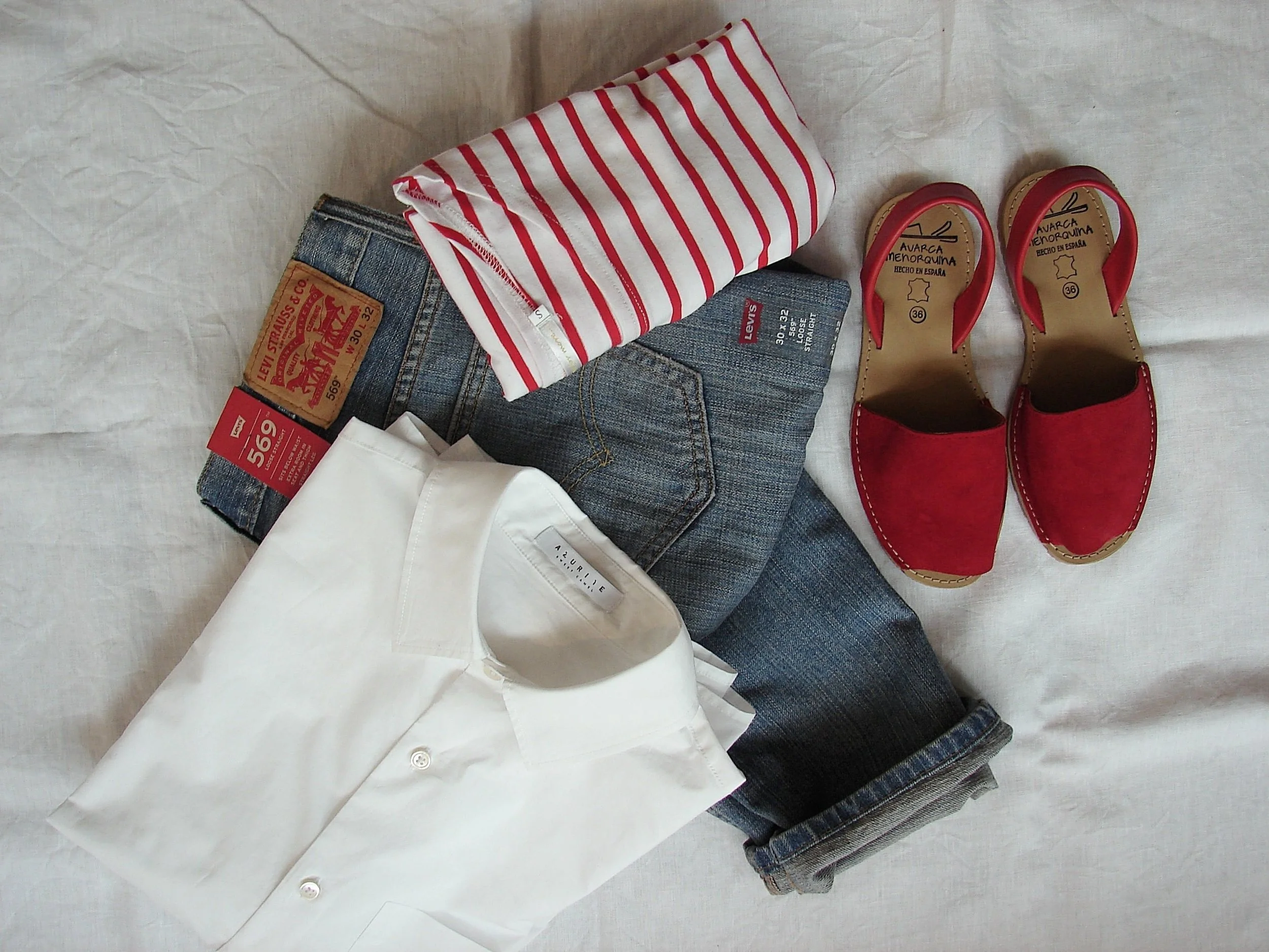
If you’re a dialed-in GirlDad, you’ve discovered that your daughter has her own unique style when it comes to expressing herself with her clothing.
And if you have more than one daughter, you’ve probably also discovered that things get a bit more complicated as they grow up and each one is trying not to look like the other while finding their own individual style. And whether the younger one is not wanting to follow in the footsteps of her older sister or seeking to find her own self-expression, either way, you’ll be wiser as a Dad by entering in and seeking to understand your daughter’s need to express her personality through how she dresses.
I found a great definition of style from fashion designer Rachel Zoe: “Style is a way to say who you are without having to speak.” (This would be a great quote to share with your daughter).
Adding to her definition, I say: Style is essentially an outward expression of who we see ourselves to be, revealed through clothing, hairstyle, hair color, tattoos, piercings, and jewelry, to name a few. And whether or not you agree with your daughter’s style expression, it’s important that you let her speak while you listen with a goal to better understand her.
Many dads have asked me how to guide their daughter through this maze when they disagree with her clothing choices. I know it’s a bigger conversation than what I’m sharing here, but it’s my desire to stand with you as you take a proactive step forward by looking through your daughter’s eyes and seeing her where she is right now.
For now, I encourage you to invite your daughter to join you as you open this conversation about her clothing style. If she doubts your motives or intent, you can show her these questions ahead of time. (For more on this topic, you can refer to a longer list of questions in Let’s Talk: Conversation Starters for Dads and Daughters with “Dad-Daughter Date Questionnaire #18: Questions on Her Clothing Choices”).
Make it your goal to listen without judgment or criticism, which is a key foundational step in bridge-building with your daughter.
If she doesn’t live close or isn’t open to meeting in person, feel free to send these questions to let her know you care. (I’ve attached a pdf here).
Here’s a list of questions to ask your daughter. And the last question is a fun and funny one to engage your daughter in rating your style. Have fun!
1. How would you describe your style? (circle all that fit)
Playful
Girly/Feminine
Boho/Free-spirited/Casual
Sporty
Classic
Earthy/ Hippie
Artsy
Retro
Spicy/Edgy
Modern/Trendy/Current
Tomboy
Goth
Unconventional
Other
2. Is it important for you to have a personal style and look that’s all your own or is it not that big of a deal to you?
3. What words in the list above would you say described your style two years ago? What about five years ago?
4. Do you like your current style? Have you thought about changing it? If you did change it, what new style captures your attention?
5. Are there any celebrities whose style you would say matches yours? What about his or her style do you like?
6. Does style and fashion play a part in the way you connect with your friends…or not?
7. What do you enjoy about having a style that’s all your own? Is there any part of this whole thing that’s ever stressful for you?
8. Now let’s talk about my style as your dad. What words would you use to describe it and do you have any suggestions for how I could update my look? (This one can be really fun and funny if you choose not to be offended by anything she says.)
[One last note: Most men think their style is fine despite input to the contrary from the women in their lives! But if you allow yourself to be open to your daughter’s input about your style, it can create a powerful dad-daughter bonding interaction. Then for “extra dad points,” I encourage you to concede and let her choose one new item for your wardrobe, which will be a gift that keeps on giving because every time you wear it, she’ll remember that you respected her input, adding yet another positive experience to your repertoire!].
This is your time to grow as a dad in asking your daughter questions to better understand her clothing style choices that are her way of making a statement about herself.
I love my friend Jean. I have no doubt you’d love her if you met her. She’s 98 years old and she’s my mom’s BFF.
One thing I appreciate about Jean is that she’s a survivor. She’s lived through the Depression and World Wars, as well as the tragic death of a daughter and the loss of her husband, among other things. Honestly, she’s endured more hardship in one lifetime than some of us will ever experience.
Despite her many heartaches, Jean has an unwavering faith in Jesus and is a model of resiliency and optimism. Without hesitation I can say that she is truly one of the most extraordinary women I’ve ever encountered. Jean has been an example to me of what I want to be like at her age and I value any time I can spend with her because I always leave better than I came.
Jean could be described as a “hope-filled spiritual energizer bunny” who loves to listen to people and pray for them. And though she has no problem speaking her mind, she has a unique gift of sprinkling every conversation with incredible pearls of wisdom.
I know I’m not the only one who enjoys time with Jean. Though frail and weak, she doesn’t complain about her aches and pains, and she has a line-up of people---both men and women---who have to get on her weekly schedule just to have time with her because her book gets filled fast!
Speaking of aging, last year I attended a conference where I heard John Mark Comer share these words that have stayed with me ever since:
“Most old people are either one or the other...not much in between. Either other- centered----loving, giving, settled, peaceful, and grateful. Or they are self-centered--- bitter, cynical and negative. But did you know we actually have the potential to grow MORE in our 80’s and 90’s? In the book, The Hidden Life of Trees, it says that older trees grow faster.”
Jean’s life clearly fits the other-centered description.
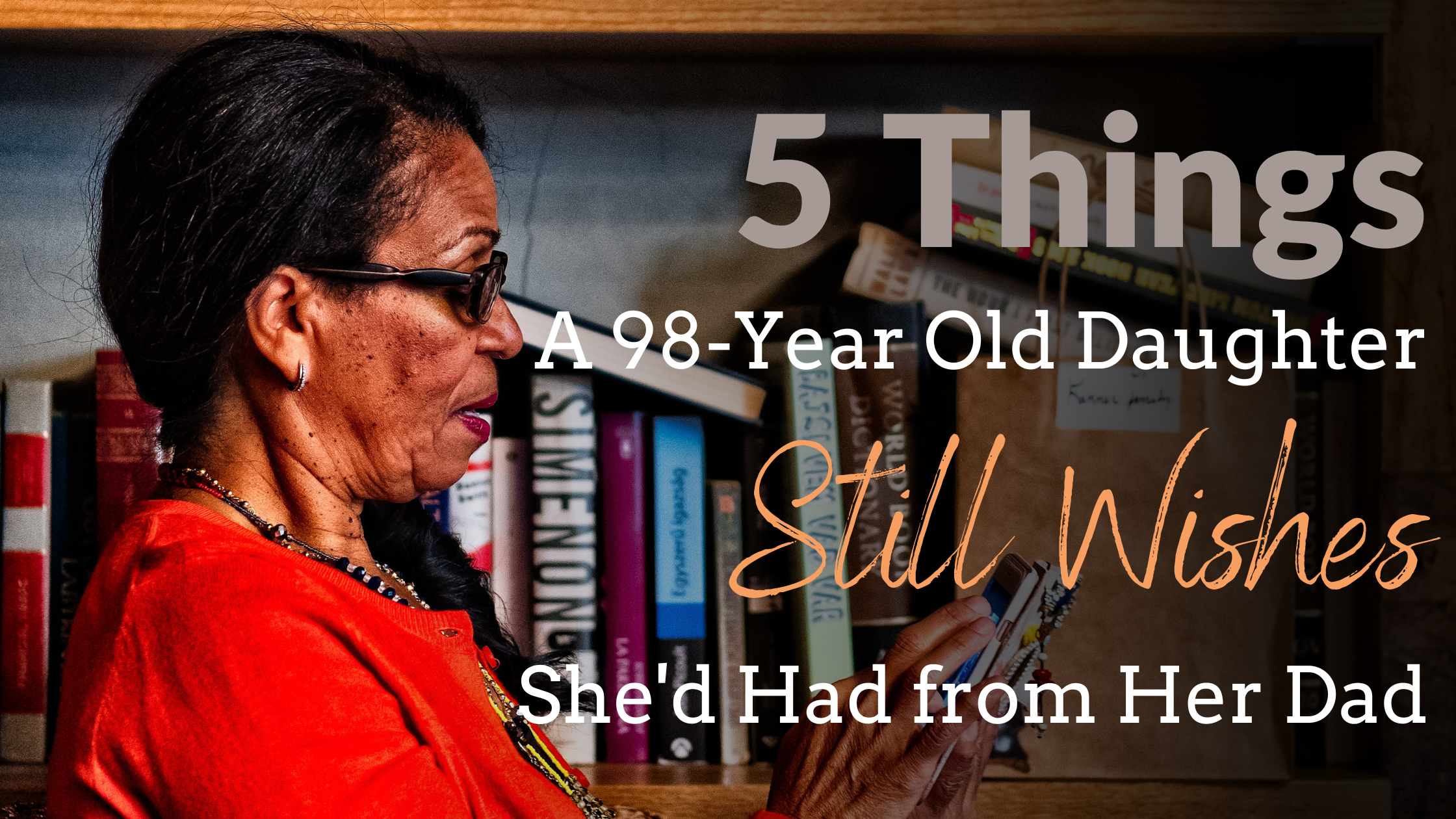
Awhile back I asked Jean to share with me five things she wishes her dad had given her. And because I treasure her input and insight, I want to share with you the things she told me.
“I was just 16 when my Daddy committed suicide, and until now I’ve not had the opportunity before to express my heart. God’s timing is always perfect! Thank you for requesting the five places in my relationship with my Daddy that I would have liked changed…
1. Words of affirmation
2. Time alone with him---to get to know him and his childhood
3. Physical touch
4. Being accepted for myself---not for what I did or failed to do
5. Hear him say out loud—“I love you”
I am grateful and full of thanksgiving for your ministry with fathers. And now, in obedience to Him helping me, after all these years, this is helping me finally bring about healing and closure to the deep and resentful areas his death caused. It’s been many years ago now that with Christ’s leading and help, I forgave him.
You are loved and greatly admired, Jean”
Dad, I don’t know how to say it any clearer than Jean just did. If you want to know what your daughter needs from you, take Jean’s words to heart because your daughter longs for these same things.
Today I encourage you to take one or two things Jean wishes she’d had from her Daddy, things she never got, and commit to investing in your daughter in those specific ways.
Do it in honor of Jean.
And if you write to tell me about it after you take action (at drmichelle@thedadwhisperer.com), I’ll share your story with her. It will make her day.
If this title intrigues you, I’m guessing you’re wired like a lot of dads where you have a fairly good idea of what to say to your daughter, but you’re aware that it’s just as important to know what not to say.
You’re no doubt reading this because you’re highly invested in making your relationship with your daughter the best it can be. I love that about you and applaud you for being proactive!
We all know that whether intentional or unintentional, once words leave our mouths, they stick; they can’t be taken back. Maybe you can even recall words ---both positive and negative--- that were spoken to you by your dad --or someone else-- that feel as fresh today as when you first heard them.
Yes, we’re all human and we speak or misspeak things we might later regret. And thankfully we can ask forgiveness and make amends. But still, those imprinted messages last long after they’re spoken.
So let’s look at this from a positive vantage point where you can add another tool to your fathering toolbox to ensure a higher likelihood of doing it right, saying it right, and getting it right as a #girldad.
Here are the two absolute worst words you could ever say to your daughter:
“You’re too…”
At first glance, you’re probably thinking this seems insignificant and doesn’t appear to be substantive enough to merit an entire blog.
Yet the reason I’m underscoring the destructive, negative power of these words is that they attack the very core of who God made your daughter to be.
Let me clarify. Here’s how this sentence might sound if it were completed:
You’re too fat
You’re too skinny
You’re too quiet
You’re too loud
You’re too much
You’re too immature
You’re too self-absorbed
You’re too complicated
You’re too unpredictable
You’re too needy
I’m including this last one because I actually heard these words spoken by a dad in a counseling session years ago. I was there with Mom, Dad, and their 19-year old, compliant, gentle, beautiful, yet fragile daughter. We were talking about her recent stint in a 45-day residential eating disorder treatment center for anorexia nervosa. At one point Dad said--with his daughter listening--“she’s always been the most needy of our three kids.”
My heart was breaking for her and I thought: If this is how Dad is talking about his daughter to me with her listening, what kinds of things is he saying to her in their home? I also wondered if his negative view of her was internalized such that she was now seeking to be invisible and unseen while fading away (which is a hallmark of anorexia). I saw her trying not to have any needs, which included not being in the way, and not being alive.
In time she did heal, thankfully. Yet, her dad harmed her more than helped through much of her process, unfortunately. I don’t want to see another dad make this same mistake.
I could go on, but you get the gist.
The reality is that your daughter might be “too this” or “too that” based on your personality or preferences. But, she’s wired the way she’s wired for a purpose by her Creator. It is your job to help steer, support, steward, and strengthen her gifts.
And Dad, if you do need to address negative behaviors, find a way to say it in a positive way.
For example, instead of remarking, “you’re too selfish,” try saying, “I’ve seen you give of yourself through the years (give one or two examples) and that is when you’re being your authentic self. Lately I’ve noticed that you’re more focused on yourself and your needs rather than on others. Can we talk about what’s going on inside? I imagine there’s more going on under the surface.”
Dad, always remember that your daughter will internalize your view of her. Make it your goal to:
Renew your commitment to never speak words that crush the core of who she is.
Look for opportunities to speak life into the very areas where you perhaps feel overwhelmed or get triggered by her.
Counter reactivity by leaning in and proactively affirming her positive qualities.
Find ways to build her up and celebrate her uniqueness.
And these, my friend, are the four absolute best things you could ever say or do to your daughter. Go Dad!
With summer upon us, this means your kids are home and you’re trying to navigate their schedules and needs, figuring out how to keep them occupied, seeing where you can fit in a vacation or two, and doing all this while staying the course with your work-life balance.
Let’s be honest. Is there such thing as “balance” when there are so many competing needs and only 24 hours in a day? I think not!
So as a way to honor your time while giving you a three-word reminder about a positive stance to take with your daughter this summer, here it is:
Soften Your Tone
I realize the word soft isn’t the most masculine of terms and yet if you want to see better results in the quality of your relationship with your daughter, trust me when I say it’s worth the work to hone this skill because your interactions will thrive as a result.
You’ve heard me say this before and I’ll say it again: Oftentimes men don’t always realize how intense, loud or harsh their vocal tone actually is. Then in one felt swoop, those forceful words cut like a knife to a daughter’s heart and your relationship suffers.
So this week and this summer, perhaps you can imagine that I’m the positive voice in your ear who is whispering to keep your tone quiet and your voice soft so your daughter sees what it looks like to let gentleness rule.
If you stay soft, she’ll eventually follow your lead.
Let’s see a culture of healthy men who are completely masculine and fully soft simultaneously.
Go Dad…and happy Summer!
On this Father’s Day weekend, I can think of no better way to celebrate YOU as a #girldad than to highlight ten of the most significant, perhaps even surprising, contributions that dads make to their daughter’s lives.
These are ten specific ways your presence matters.
Whether you’re in a season where you’re closer than ever to your daughter or there’s distance between you, these ten realities underscore that fathers are very important to the health and well-being of their daughters. And though you may not always hear positive words about how important and valuable you are as a dad, today I’m gifting you with words of affirmation!
As you read each of these items, I trust they will inspire you to be even more intentional because the truth is that your daughter will thrive with your positive, life-breathing encouragement in every season. So here we go!
The overriding themes in research strongly support that daughters who feel connected to their fathers:
1. Do better in school, get better grades, and are more likely to finish high school and attend college.
If your daughter knows you’re in her corner while she’s learning, letting her know you believe in her by giving her grace to fail forward without belittling her when she fails, then cheering her on as she gets back up, she will keep going. Yes, there are always meltdowns along the way, but your consistent support will go far in helping her to achieve her academic goals.
2. Experience greater self-esteem.
You can visibly tell when a girl or woman is internally confident, and she will stand out among her peers. You can see it in the way she carries herself and communicates, negotiates, and interacts. And much of the time these women have solid relationships with their fathers. It’s true that when a dad confirms and affirms his daughter’s worth and value, she will expect nothing less from others…and herself.
3. Are more likely to find steady employment.
This one compliments the last. When a daughter is empowered by the confidence her dad has in her, she carries that inner strength with her wherever she goes. This translates to the workplace, including her work ethic and ability to hold a job with internalized grit and core strength.
4. Report less depression.
If you want your daughter to demonstrate emotional equilibrium, be mindful that you play a big part in helping her grow this skill set. When she sinks emotionally, remember that she needs kindness, understanding, and patience from you through her processing phase. She will grow to appreciate your steady presence until these resources become internalized as her own.
5. Have lower rates of substance use.
Though it can be within normal limits for kids to experiment and push boundaries, I believe when drugs and alcohol are used to numb emotions, decrease anxiety, lower stress, bridge gaps in interpersonal relating and communicating, etc., this becomes a problem. In other words, when substances create “false courage,” for example, and serve as a substitute for developing life skills, healthy development halts. Yet when a dad is there in real time and helps his daughter to process feelings, validates her emotions, calms her anxiety, decreases her stress, and provides true support, there is less draw to inanimate objects to do that work for her.
6. Have less body dissatisfaction and healthier weight.
As much as women may try to be their own cheerleaders, as a whole we tend to look elsewhere for validation and encouragement, especially when it comes to weight and body image. This underscores why a dad plays a significant role in supporting his daughter to see herself in a positive light.
Dad, make sure to never criticize or tease her for her weight, pant size, breast size, etc., even if you think you’re just being funny. Find ways to highlight her positive qualities, such as her eyes, style of dress, hairstyle, character, personality, and on it goes. Your affirmation will stay with her and hopefully be internalized so she can see herself through your eyes.
7. Delay their sexual debut.
Yes, you read this right. Your bond with your daughter is one, if not THE BEST defensive strategy against “oncoming traffic,” if you know what I mean! Simply stated, the more emotionally and relationally connected your daughter feels to you, the less she will be looking for love in all the wrong places, resulting in her decision to delay premarital sex (thus resulting in decreases in teen pregnancy). How’s that for a win-win?!
8. Have healthier relationships with men.
This one doesn’t need much explanation. As you set the foundation in your daughter’s life to relate to you by experiencing secure attachment, she will feel free to use her voice and express herself while enjoying doing life with you. She will then transfer those relational skills to her interactions with the opposite sex.
9. Have significantly less suicide attempts.
When someone knows their life has value, such that those around them wouldn’t know how to go on if they weren’t around, that person often will stay alive for someone else, even when their personal distress seems unbearable at times. Stated otherwise, agape love is true, self-sacrificial, self-giving love, and it lasts the test of time. When real love like this is infused into the soul of another, they will believe their life matters. And when the person validating them is the one who brought them into the world (a.k.a. you), it puts an extra layer of protective coating around their heart and life.
10. Display greater empathy and pro-social behavior compared to kids with uninvolved fathers. More specifically, when a dad is involved in his daughter’s life, she has more of her best self to share with the world and she will be 80% less likely to spend time in jail. Once again, research doesn’t always get to the heart behind the data, but the numbers speak for themselves in revealing that a dad’s involvement and attentiveness to his daughter’s life becomes integrated into the core of her identity, and she will give out of the overflow of that consistent deposit.
So there you have it: Ten solid, perhaps even SURPRISING factors that show why you as a dad have value to your daughter, even if she’s not aware of it all.
I trust you’re inspired to renew your vision, passion, and commitment to be the best dialed-in dad you can be to your daughter.
I wish you the best Father’s Day ever as this is a day to honor you and celebrate your role as a dad.
Go Dad!
For some of you younger dads, today’s title is a reference point from the last century!
By “Venusian,” I’m referring to Dr. John Gray’s concept in his book, Men Are from Mars, Women Are from Venus. I consider myself bilingual after 13 years of traveling from my planet of Venus to your planet of Mars, and today I’m here to help you decode your daughter with a bit more precision.
Here are my three “Venusian trade secrets” so you can better understand your daughter:
1. When she opens her mouth, her heart opens.
We women don’t even have to think about it; it just happens. But it doesn’t stop there. When a daughter’s heart opens, her dad’s heart automatically opens. You, dads, don’t even have to think about it; it just happens.
This full-circle, interactive dynamic means that if you capitalize on engaging your daughter in conversations, not only will she open up to you more, but your bond will be stronger.
2. She figures things out by talking.
The key word in this sentence is ‘out.’ Because we as women have so much swirling around in our brains 24/7, sometimes it feels like we’re on a hamster wheel in our heads where we’re running fast but not getting anywhere (a.k.a. this is called looping). When we talk things out and get them out by verbalizing what’s going on inside, it helps “open the cage” so we get off the wheel.
When you’re a safe sounding board, allowing your daughter to process verbally and emotionally without rushing her or requiring that she make sense to you, you give her a gift in holding her intensity without trying to problem solve. By providing her this outlet, she will de-escalate, begin to calm down, and feel better.
3. She wants a closer relationship with you.
In my 44 years of mentoring women and 27 years of clinical counseling, no girl or woman has ever said to me, “Dr. Michelle, I’m way too bonded to my dad and we’re just too close.” Instead, as their tears flow, I’ve often heard stories of heartbreak over feeling distant from or hurt by their dads.
This tells me that women want a better relationship with their fathers. And it’s up to you, Dad, to lead the way in letting her know you want that too.
This also tells me there’s a dire need for fathers to have a clear road map for journeying to the epicenter of their daughters’ hearts, coupled with learning how to engage them and lead conversations so their daughters can find and use their voices.
If you want to take action today to be a proactive dad who helps your daughter thrive, here are two places to start:
Action Steps:
1. Ask your daughter what you can do to be a better dad to her.
Text, call, or ask her in person. Do it today. Let her know she can say anything and you’ll do your best to meet her at the point of her need.
2. Buy a copy of Let’s Talk: Conversation Starters for Dads and Daughters and use it for your monthly dad-daughter date where she chooses the topic and you ask the questions.
I wrote this book based on feedback from dads like you who asked for scripts to help them succeed in interacting with their girls. This book will become your playbook as you lead conversations with intention and purpose.
Whether you’re in a solid place with your daughter or want to be closer, you’ll find it helpful in strategically pursuing her heart.
Go Dads!
So often hear fathers tell me that their daughters are complicated, complex, confusing, and unpredictable. The mysterious nature of a young daughter’s tantrum, a teenage attitude, or an adult’s cold shoulder spooks fathers everywhere into frustration in their relationships. However, I have discovered that we girls are not as hard to understand as we may seem!
Today’s decoding strategy comes straight from the one Man in all of history who always got it right when it came to relationships. You may know who I’m talking about: Jesus. I figure there’s no better example than learning from the best!
During His time on earth he met two sisters, Martha and Mary, and they were close, personal friends of Jesus. He knew them and they knew him. For better or worse. Let’s pick up the story (from Luke 10:38-42 if you want to look it up later) where Martha is overly reactive, super stressed, and basically freaking out.
If you can relate to experiencing any of those realities in your home, listen to what Jesus (with his male energy) did to enter the fray with his frazzled female friend.
Here are the 5 “easy” steps to decoding and relating to your daughter, especially during those times when things are emotionally intense.
1. He lets her vent to Him while He listens to all of it.
Even when she dramatically tells Jesus that he “doesn’t care” (false assumptions always take place during meltdowns) she continues by crying about having to do everything “by myself.” And if that wasn’t enough, she then barks at Jesus and demands that he tell her sister to help her. Surprisingly, he doesn’t lecture but listens and essentially absorbs her intensity by being her sounding board.
2. He says her name twice…gently and lovingly.
There’s something calming when any of us hear our name. And for us girls, it’s grounding for us to be spoken to by name. If you speak your daughter’s name with love in your tone and in a gentle way, she will come towards you---maybe not right away, but it is a powerful, healing strategy that works.
3. He sits with her in her emotional reality.
Notice that he doesn’t try and talk her out of what she’s feeling or try to get her to think rationally. No lecture. No criticism. Jesus knows that she couldn’t hear it anyway while being so worked up. So, he simply stays with her, looks at her, validates her, and puts words to what she’s feeling, calling it “worry” and “upset.” He tenderly names her emotions. No judgment.
4. He highlights all that is on her life plate.
As girls we are wired to multi-task. That’s why we can talk on the phone, paint our nails, watch a show, and do homework…all at the same time! Yet all of a sudden, we reach the end of our rope and implode. Again, this is where we need gentle grace not power positions. Jesus just told Martha that he knew she had “many things” going on, leading to her melt down. How kind of him to notice. If you validate all that is pressing in on your daughter, your words will go long and far to make her feel heard and understood.
5. He directs her to focus on one thing.
Jesus tells her that “only one thing is needed.” The implication is that it’s about focusing on Him as the one thing rather than all the needs around her. When we girls get overwhelmed with the much, we need gentle, supportive guidance to take it one thing at a time. Breaking it down into bite size pieces is immensely helpful when we’re breaking down.
Summing up: When your daughter is melting down sit alongside her and listen to her vent. Move towards her, and lovingly say her name. Tell her that you understand that she is “worried and upset.” Let her know you do see that she has a lot on her plate, and assist in helping her to focus on one issue.
I know it’s easier said than done, but these 5 things will make all the difference in the eye of the storm when you are there trying to keep up with her complexity. And after the storm has passed, the main thing your daughter will remember is that you Dad were there in it with her.
When dads ask me questions about how to be a better parent to their daughters, the scenarios range from how to handle blue hair to short dresses to low cut shirts to tight pants. There’s nothing more horrifying for a dad than to see his daughter heading out to face the world in something that shows way too much booty (or any body part, for that matter!)
One such thought-provoking question was posed to me when I spoke to a group of men who had gathered early one Friday morning at their kids’ school for an event called Dads and Donuts (a monthly forum where dads came to the campus, listened to a speaker, and connected with each other…all while being “bribed” by a plethora of free donuts!)
Grant spoke up first and said,
“My daughter is in 7th grade and we got into it just this morning. She was heading out the door to school when I caught a glimpse of what she was wearing. There was absolutely no way I was okay seeing her in an outfit that was clinging to her body and showing that much skin. I told her she couldn’t wear it, and of course, the sparks flew. My question to you is: How could I have handled that situation differently?”
Right then, with every dad staring at me, waiting for the “magic answer,” I realized that they were all commiserating with him and feeling his pain. They all knew he needed an answer that would fix the problem…today. With that reality in mind, I responded by saying,
“My guess is that once your daughter was upset with you, the whole intense interaction between you escalated, which caused her mom to jump in to comfort your daughter, then leading mom to be angry with you because they were your comments that led to her daughter crying and it was your fault. So not only was your daughter upset with you, but now mom was too.”
It was then that Grant blurted out, “Were you at our house this morning?!”, prompting laughter from all the guys, which I heard as the incredible sound of communal support and commiseration.
I took a breath and continued,
“The first thought that comes to my mind is that it’s never a good idea to have a confrontation when your daughter is on her way OUT the door. She had probably already put her outfit together the night before and had matched her makeup and her hair to coordinate with her outfit. And now you wanted her to change it all in a matter of minutes. There is no way that we as girls can change course that fast, especially when it comes to our clothes.
It was then and there that Grant’s look of distress immediately turned to a relieved smile. “That would have been really good to have known this morning!”
I realize that I don’t have all the answers about how to be a dad to a daughter, but having been a teenage girl, I responded to this dad out of how I wished my own dad had responded to me when I was her age. I do think it’s easy for dads to unnecessarily pull “the power card” with their maturing daughters when in the long run that stance isn’t always helpful in areas that aren’t about life or death.
Instead, I encourage you dads to work at listening to your daughter’s point of view on these kinds of tricky issues because the truth is that she’ll be out of your house before you know it and then she’ll be making decisions on her own. You may have to meet her halfway and concede sometimes. If you only tell her what you think and rule with a heavy hand (e.g., “No daughter of mine is going out of the house looking like THAT!"), she won’t learn HOW to think and make good decisions on her own if you always make them for her.
I know you’re trying to protect her and that’s awesome. But truthfully, it’s more about HOW you navigate the situation with her than anything. It’s about your tone of voice and body language that will make or break the conversation (and timing, of course). Come to her with a calm stance and not anger. Approach her the way you’d want your boss or colleague to approach you---with respect. Treat her the way you want to be treated.
That, my friend, is the best way to prepare your daughter for adulthood.
So how about ending with an action step today. Since this blog is about the clothes your daughter wears, what if you were to surprise her by telling her that you want to take her to the store for no particular reason and let her pick out one new item of clothing! I assure you that she’ll always remember that event with you (and that item) for the rest of her life.
Then while you’re at the store with her, she’ll be choosing something that has a memory of you tied to it. And when she wears it out of the house, you can be the first one to smile, wink at her, and say, “You’re wearing THAT today? You, my dear, look beautiful!”